
You’re working in an environment where static discharge can damage sensitive components and compromise product quality. Finding the right ESD monitor wristband combo isn’t just about compliance—it’s about protecting your investment. But what separates a reliable monitoring solution from one that’ll let you down? The answer lies in understanding key features and performance metrics that matter most.
| FEITA 209-II Anti Static Wrist Strap with Monitor |  | Best Overall | Monitoring Type: Continuous online monitoring with dual wristband capability | Alarm Trigger Threshold: 0.1 seconds of path failure | Power Source: AC power supply (safety certified) | CHECK ON AMAZON | Read Our Analysis |
| ESD Anti-Static Wrist Strap Online Monitor | Best Value | Monitoring Type: Real-time single workstation monitoring | Alarm Trigger Threshold: 1.2 MΩ (adjustable) | Power Source: Corded AC (100V minimum) | CHECK ON AMAZON | Read Our Analysis | |
| Anti Static Wrist Strap Tester with Grounding Monitor |  | Most Portable | Monitoring Type: Manual push-button tester (cordless) | Alarm Trigger Threshold: Pass/fail audible and visual indicators | Power Source: 9V lithium battery | CHECK ON AMAZON | Read Our Analysis |
| FEITA 498 Anti Static ESD Wrist Strap Tester | 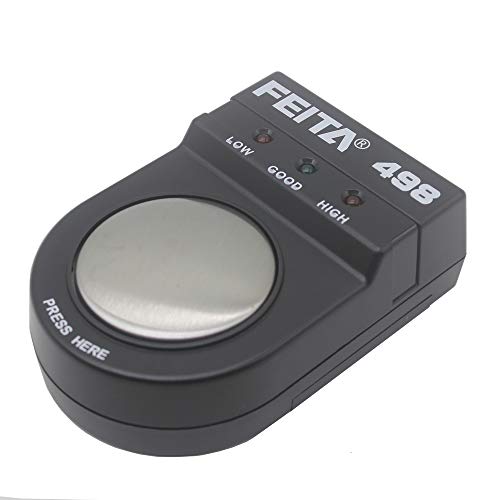 | Best Budget Pick | Monitoring Type: Manual banana jack tester | Alarm Trigger Threshold: Quick visual and audible fail/pass check | Power Source: Portable stand-alone (battery implied) | CHECK ON AMAZON | Read Our Analysis |
| FEITA ESD Wrist Strap Anti Static Monitor (518-2) |  | Professional Grade | Monitoring Type: Continuous online dual monitoring | Alarm Trigger Threshold: ≥0.1 seconds of path failure | Power Source: Safety-certified AC power source | CHECK ON AMAZON | Read Our Analysis |
| ESD Ground Point & Outlet Circuit Tester (STI-61-038) |  | Best Dual Function | Monitoring Type: Visual circuit tester with LED indicators | Alarm Trigger Threshold: LED indicators for ground faults | Power Source: 120V AC circuit tester | CHECK ON AMAZON | Read Our Analysis |
| FEITA ESD Wrist Strap Anti Static Monitor |  | Best Single Station | Monitoring Type: Continuous online single monitoring | Alarm Trigger Threshold: ≥0.1 seconds of path failure | Power Source: Safety-certified AC power source | CHECK ON AMAZON | Read Our Analysis |
More Details on Our Top Picks
FEITA 209-II Anti Static Wrist Strap with Monitor
If you’re managing an ESD-sensitive work environment where continuous monitoring matters, the FEITA 209-II delivers real-time supervision that catches ground path failures in just 0.1 seconds. You’ll appreciate its microcomputer-controlled detection system that continuously monitors the connection between your wrist strap and workbench. The alarm triggers instantly when discharge paths fail, keeping you informed of any anomalies. You can freely adjust monitoring parameters and alarm sensitivity to match your specific needs. Its wide compatibility works with most electrostatic wristbands on the market, and strong anti-interference performance ensures reliable operation. The plug-and-play design means you’re monitoring ESD protection without complicated setup.
- Monitoring Type:Continuous online monitoring with dual wristband capability
- Alarm Trigger Threshold:0.1 seconds of path failure
- Power Source:AC power supply (safety certified)
- Portability/Installation:Plug-and-play workstation monitor
- Wristband Compatibility:Most standard electrostatic wristbands
- Measurement Accuracy:±5% (1.068–2.0 mΩ range)
- Additional Feature:Dual wristband simultaneous monitoring
- Additional Feature:Freely adjustable alarm sensitivity
- Additional Feature:Microcomputer controlled plug-and-play
ESD Anti-Static Wrist Strap Online Monitor
You’ll find the CINAHAW ESD 518-1 indispensable if you’re managing electronics manufacturing or repair environments where real-time wristband monitoring’s non-negotiable. This corded tester simultaneously monitors your workstation’s wristband and grounding wire, detecting faults like improper wear, breaks, or poor contact instantly. When problems arise, you’ll get a flashing red LED and audible beep. The device lights green during proper grounding and defaults to a 1.2 MΩ alarm threshold—adjustable to your specifications. With ±10% measurement accuracy and compatibility with most anti-static straps, you’re getting reliable protection without complexity.
- Monitoring Type:Real-time single workstation monitoring
- Alarm Trigger Threshold:1.2 MΩ (adjustable)
- Power Source:Corded AC (100V minimum)
- Portability/Installation:Plug-and-play workstation monitor
- Wristband Compatibility:Most anti-static wrist straps
- Measurement Accuracy:±10%
- Additional Feature:Single workstation real-time detection
- Additional Feature:Factory preset 1.2MΩ alarm value
- Additional Feature:Green LED proper grounding indicator
Anti Static Wrist Strap Tester with Grounding Monitor
Technicians and assembly line workers who need quick, reliable verification of grounding systems will find this portable tester indispensable. You’ll appreciate its cordless design and durable ESD-safe plastic housing, which make it perfect for on-site use without additional tools. The simple push-button operation delivers instant audible and visible pass/fail indicators, so you’re never uncertain about your wrist strap’s effectiveness. Powered by a 9V lithium battery, it’s ready whenever you are. Since it’s compatible with any standard ground wrist strap featuring a banana plug male end, you won’t need specialized equipment. This stand-alone tester transforms grounding verification into a straightforward, hassle-free process.
- Monitoring Type:Manual push-button tester (cordless)
- Alarm Trigger Threshold:Pass/fail audible and visual indicators
- Power Source:9V lithium battery
- Portability/Installation:Portable cordless for any work area
- Wristband Compatibility:Standard ground wrist strap with banana plug
- Measurement Accuracy:Not specified
- Additional Feature:Cordless 9V lithium battery
- Additional Feature:Banana plug male compatibility
- Additional Feature:Audible and visible fail/pass
FEITA 498 Anti Static ESD Wrist Strap Tester
The FEITA 498 Anti Static ESD Wrist Strap Tester stands out for electronics repair professionals who need reliable, on-the-spot verification of wrist strap grounding. You’ll appreciate its universal compatibility with all ESD-compliant wired wrist straps through banana jack connections. The device’s tight contacts and low contact resistance guarantee strong connectivity that won’t let you down. Its excellent oxidation resistance means you’re investing in long-term durability. You can quickly inspect various grounding systems from any location, eliminating guesswork about strap functionality. By preventing static-related product damage and enhancing workplace safety, this tester protects both your equipment and your team.
- Monitoring Type:Manual banana jack tester
- Alarm Trigger Threshold:Quick visual and audible fail/pass check
- Power Source:Portable stand-alone (battery implied)
- Portability/Installation:Portable on-site inspection tool
- Wristband Compatibility:All ESD-compliant wired wrist straps via banana jack
- Measurement Accuracy:Not specified
- Additional Feature:Banana jack universal connectivity
- Additional Feature:Low contact resistance maintenance
- Additional Feature:Quick on-site inspection capability
FEITA ESD Wrist Strap Anti Static Monitor (518-2)
For operators who need constant real-time monitoring of their anti-static setup, FEITA’s 518-2 delivers reliable protection through its dual constant monitoring system. You’ll appreciate its plug-and-play design that works with most wristbands, requiring no complex installation. The microcomputer chip adjusts test parameters between 1.068–2.0 mΩ, while high sensitivity triggers alarms within 0.1 seconds of ESD path failure. You get precise electronic components, strong anti-interference capability, and safety-certified power. This monitor accurately judges ground wire contact, keeping your workstation protected. Multiple certifications back its dependability, making it an excellent choice for professionals demanding consistent ESD protection.
- Monitoring Type:Continuous online dual monitoring
- Alarm Trigger Threshold:≥0.1 seconds of path failure
- Power Source:Safety-certified AC power source
- Portability/Installation:Plug-and-play workstation monitor
- Wristband Compatibility:Most anti-static wrist bands
- Measurement Accuracy:±5% (1.068–2.0 mΩ range)
- Additional Feature:Dual constant wristband alarm monitoring
- Additional Feature:America half original chips
- Additional Feature:≥0.1 second failure detection
ESD Ground Point & Outlet Circuit Tester (STI-61-038)
Need quick, reliable verification that your ESD protection system’s actually working? The STI-61-038 tester gives you instant answers. You’ll plug banana-plug wrist straps directly into this compact device and watch bright LED indicators confirm proper grounding or pinpoint faults like open ground, reverse polarity, and hot/neutral problems in 120 VAC circuits. Its durable, impact-resistant polymer construction features wrap-around lens covers for visibility from any angle. At just 3.2 ounces, you’ll easily carry it through electronics manufacturing, medical device labs, or data centers—anywhere static prevention matters.
- Monitoring Type:Visual circuit tester with LED indicators
- Alarm Trigger Threshold:LED indicators for ground faults
- Power Source:120V AC circuit tester
- Portability/Installation:Portable plug-in tester
- Wristband Compatibility:Wrist straps with banana-plug terminations
- Measurement Accuracy:Visual fault detection (LED-based)
- Additional Feature:Detects reverse polarity faults
- Additional Feature:Wrap-around lens high visibility
- Additional Feature:120 VAC circuit testing capability
FEITA ESD Wrist Strap Anti Static Monitor
If you’re running a workstation where you can’t afford electrostatic failures, FEITA’s 518-1 model delivers real-time monitoring that catches grounding issues before they damage sensitive components. You’ll get immediate alerts when your wrist strap loses ground contact for just 0.1 seconds or longer. Setup’s straightforward—it’s plug-and-play compatible with most anti-static wristbands, requiring no debugging. The microcomputer-controlled device lets you adjust test parameters between 1.068–2.0 mΩ, conforming to industry specs. With high-precision components and multiple safety certifications, you’re getting reliable performance with strong anti-interference capability protecting your ESD-sensitive operations.
- Monitoring Type:Continuous online single monitoring
- Alarm Trigger Threshold:≥0.1 seconds of path failure
- Power Source:Safety-certified AC power source
- Portability/Installation:Plug-and-play workstation monitor
- Wristband Compatibility:Most anti-static wrist bands
- Measurement Accuracy:±5% (1.068–2.0 mΩ range)
- Additional Feature:Single constant wristband monitoring
- Additional Feature:America half original chips
- Additional Feature:≥0.1 second failure detection
Factors to Consider When Choosing an ESD Monitor Wristband Combo That Tests and Protects at the Same Time
When you’re selecting an ESD monitor wristband combo, you’ll want to evaluate real-time monitoring capability, alarm sensitivity and adjustability, and compatibility with various wristband types to guarantee complete protection. You should also verify the power supply options and confirm that your chosen combo meets relevant safety certifications for your workspace. Finally, consider portability and ease of use, as you’ll need a system that integrates seamlessly into your daily workflow without creating unnecessary friction.
Real-Time Monitoring Capability
Because ESD protection only works when the connection between your wrist and ground remains intact, real-time monitoring capability becomes essential in any wristband combo you’re considering. Look for systems that continuously supervise whether your strap is correctly worn and connected to ground, providing immediate feedback during use.
The best combos detect grounding performance instantly for your wrist strap circuit and alert you if the ground path degrades or fails. You’ll want alarms triggered within 0.1 seconds when the ESD path fails, prompting prompt corrective action. Visual and audible indicators—like green for proper grounding and red for alarms—convey live status as you work.
Choose plug-and-play, microcontroller-based designs that enable continuous online monitoring without requiring additional setup or tools.
Alarm Sensitivity And Adjustability
How do you guarantee your ESD monitoring system catches grounding failures before they cause damage? Alarm sensitivity and adjustability are essential. You’ll find that most monitors offer a tunable range of 1.068–2.0 MΩ (±5%), letting you customize thresholds for your specific wrist strap setup. Many models arrive with factory presets around 1.2 MΩ, but you can reconfigure them as needed. Higher sensitivity settings catch subtle grounding issues faster, reducing static exposure notably. When the ESD discharge path fails for just 0.1 seconds, your system triggers immediately. Dual alarm indicators—audible alerts and flashing LEDs—ensure you won’t miss notifications. This adjustability means you’re not locked into one-size-fits-all protection; instead, you’re tailoring real-time defense to your exact environment.
Compatibility With Wristband Types
While tuning your alarm sensitivity protects you against sudden failures, choosing a monitor that actually works with your existing wrist straps matters just as much. Most units on the market feature banana jack connections, meaning you’ll plug in standard wired wrist straps with banana-plug terminations without hassle. This plug-and-play compatibility eliminates unnecessary equipment replacement costs.
Look for monitors that simultaneously test both your wrist strap and grounding wire, displaying real-time status for each component. You’ll know immediately when everything’s functioning correctly through green indication lights.
Adjustable test parameters typically ranging from 1.068–2.0 MΩ with ±5% tolerance ensure your monitor accommodates different wrist strap resistance characteristics. This flexibility guarantees reliable protection regardless of which compatible wristband you’re using, giving you confidence in your ESD setup.
Power Supply And Safety Certifications
What separates a reliable ESD monitor from a risky one? The power supply and safety certifications matter enormously. You’ll want a corded configuration with a documented mains voltage range, typically starting around 100 V AC, ensuring stable operation across different environments. Safety-certified power supplies reduce shock and fire risks substantially, so verify that your chosen monitor adheres to recognized electrical safety standards. Look for devices providing continuous supervision directly from mains power, avoiding intermittent or unreliable sources that compromise testing accuracy. When evaluating options, prioritize monitors explicitly stating their power safety certifications alongside performance specifications. This dual transparency guarantees both personal protection and consistent testing capability, giving you confidence that your ESD monitoring system delivers genuine protection and reliable performance simultaneously.
Portability And Ease Of Use
Once you’ve confirmed your monitor meets safety standards and power requirements, you’ll need to evaluate how easily the device fits into your daily workflow. Portability matters because you’re testing at multiple workstations, not just one fixed location.
Look for compact, lightweight designs you can transport between areas without hassle. Cordless or battery-powered units let you perform on-site testing instantly without hunting for power outlets. Plug-and-play setups with simple banana plug connections get you testing within seconds.
Real-time audible and visual indicators provide immediate feedback, eliminating the need for additional tools or interpretation. Stand-alone testers work independently, enabling quick checks across your facility. When your monitor requires minimal setup and moves seamlessly through your environment, you’ll actually use it consistently—which is where protection truly happens.
Detection Speed And Response Time
Speed matters when it comes to ESD protection—a wristband fault that goes undetected for even a few seconds can expose sensitive components to static discharge. You’ll want a monitor that continuously checks your wristband-ground path and triggers alerts instantly upon disruption.
Many systems activate alarms when faults last 0.1 seconds or longer, establishing a defined minimum response window. Look for combos featuring flashing indicators and audible signals that minimize your reaction time. The system’s effectiveness depends on how quickly it recognizes connection faults and switches to alarm mode within that critical threshold.
You can also adjust sensitivity and test parameters to influence detection speed. Choosing a combo with customizable settings ensures you’re getting the rapid response your work environment demands.
Build Quality And Reliability
While detection speed guarantees your system catches faults instantly, the wristband combo’s physical durability determines whether it’ll reliably perform that job day after day. You’ll want durable enclosures and impact-resistant housings that withstand the rigors of electronics manufacturing environments.
Look for models featuring high-precision components and quality chipsets that guarantee stable, consistent operation under demanding conditions. Anti-interference design and strong electrical isolation protect against workshop noise that could compromise readings.
Safety-certified power supplies matter too—they reduce failure risks during continuous monitoring sessions. Real-time, plug-and-play configurations with robust grounding detection parameters deliver dependable performance without complicated setup. When you combine solid construction with reliable electronics, you’re investing in equipment that’ll protect your team effectively for years.
Ground Path Testing Accuracy
How accurately does your ESD monitor wristband combo measure ground path resistance? You’ll want equipment with ±10% measurement accuracy and adjustable test parameters ranging from 1.068 to 2.0 MΩ with ±5% tolerance. These specs directly impact your testing precision.
Real-time monitoring continuously verifies your wristband-ground connection, strengthening measurement reliability. Fault detection tied to ESD discharge path failures lasting 0.1 seconds or more guarantees timing accuracy translates to dependable status reporting.
Alarm indicators—both audible and visual—reflect whether measured resistance meets your configured threshold. This feedback mechanism influences how accurately you’ll interpret test results. When selecting a combo, prioritize units offering precise resistance measurement combined with responsive monitoring systems that catch connection failures instantly.
Frequently Asked Questions
How Often Should ESD Wristband Monitors Be Calibrated for Accuracy and Safety Compliance?
You should calibrate your ESD wristband monitors at least annually to maintain accuracy and guarantee safety compliance. However, you’ll want to check your specific manufacturer’s guidelines, as some high-use environments require more frequent calibration schedules.
Are ESD Monitor Wristbands Compatible With Different Types of Work Surfaces and Equipment?
You’ll find that most ESD monitor wristbands work across various work surfaces and equipment types. They’re designed with universal grounding systems that you can adapt to different setups, though you’ll want to verify compatibility with your specific equipment beforehand.
What Is the Average Lifespan of an ESD Wristband Before Replacement Becomes Necessary?
You’ll typically replace your ESD wristband every 3-6 months, depending on daily wear and environmental conditions. However, you should test it monthly to verify it’s still functioning properly and providing adequate static protection.
Can ESD Monitor Wristbands Be Worn Comfortably During Extended 8-Hour Work Shifts?
You’ll find modern ESD monitor wristbands comfortable for eight-hour shifts when you choose models with adjustable straps and breathable materials. They’re lightweight and won’t restrict your movement or cause irritation during prolonged wear.
Do ESD Wristband Combos Work Effectively in Humid or Temperature-Variable Environments?
You’ll find that most ESD wristband combos perform reliably in humid and temperature-variable environments when you maintain proper grounding connections. They’re designed to function across standard industrial conditions without significant performance degradation.