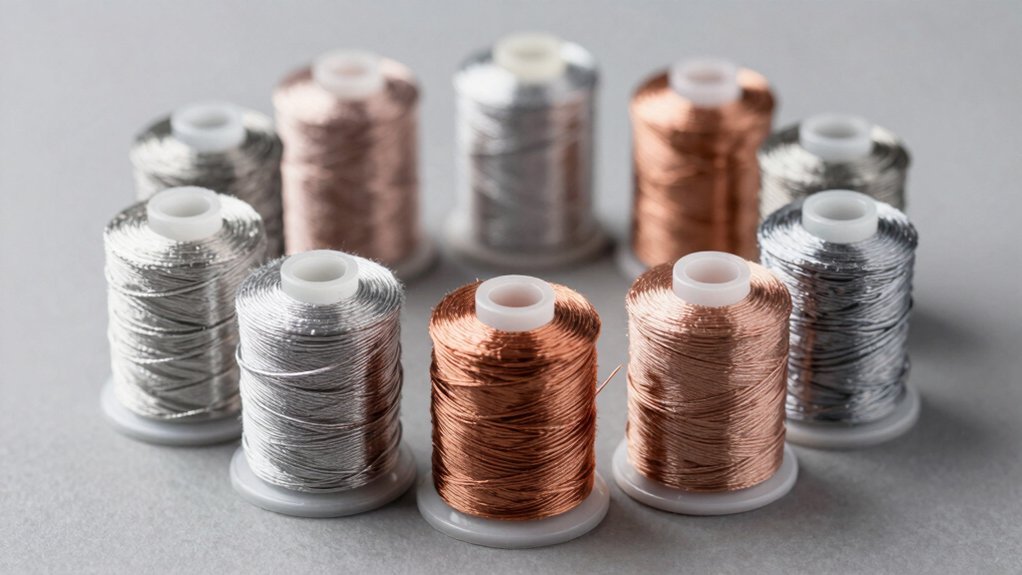
You’re building wearables that demand reliable conductivity without sacrificing comfort or durability. Stainless steel threads resist oxidation, while silver-based fibers offer thinner profiles at premium prices. Resistance values, ply counts, and fabric compatibility vary considerably across options. The right choice depends on your specific application—whether you’re powering LEDs, creating touch sensors, or routing data. What matters most for your project?
| Conductive Thread 65ft for Arduino Lilypad (2 Bobbins) |  | Best Value Starter | Material Composition: Silver fiber (spun) | Electrical Resistance: 60-80 Ω/m (≈2 Ω/ft) | Total Length: 130 feet / 40 meters (2 bobbins) | CHECK ON AMAZON | Read Our Analysis |
| Conductive Thread for Arduino Lilypad (4 Bobbins) | 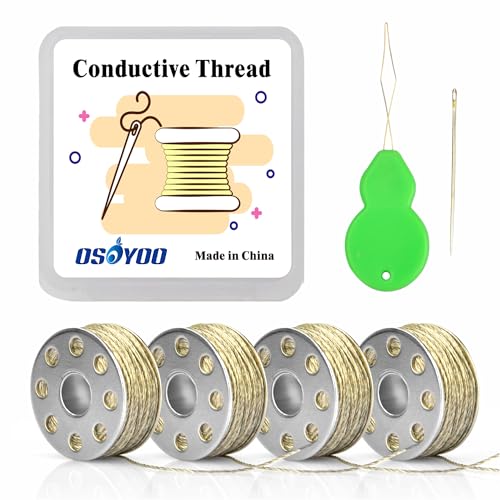 | Best Overall | Material Composition: Silver fiber (spun) | Electrical Resistance: 60-80 Ω/m (≈2 Ω/ft) | Total Length: 130 feet / 40 meters (4 bobbins) | CHECK ON AMAZON | Read Our Analysis |
| Adafruit Stainless Thin Conductive Thread – 2 Ply – 23 Meter/76 ft | 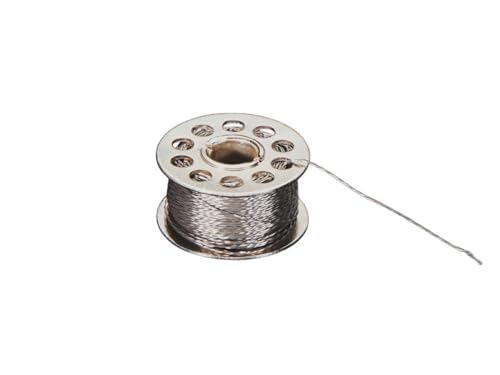 | Most Washable | Material Composition: 316L stainless steel (2-ply) | Electrical Resistance: 16 ohms per foot | Total Length: 23 meters / 76 feet | CHECK ON AMAZON | Read Our Analysis |
| 316L Conductive Stainless Steel Sewing Thread (9m) |  | Best Conductivity | Material Composition: 316L stainless steel (3-ply) | Electrical Resistance: 9 Ω/m | Total Length: 9 meters | CHECK ON AMAZON | Read Our Analysis |
| Conductive Sewing Thread for Touch Screen Gloves |  | Bulk Buy Option | Material Composition: Stainless steel fiber (24%) + polyester | Electrical Resistance: Not specified | Total Length: 2500 yards | CHECK ON AMAZON | Read Our Analysis |
| 316L Conductive Stainless Steel Sewing Thread (4m) | | Best Budget Pick | Material Composition: 316L stainless steel (2-ply) | Electrical Resistance: 4 Ω/m | Total Length: 4 meters | CHECK ON AMAZON | Read Our Analysis |
| Electronics Starter Kit with Conductive Thread for Lilypad |  | Best Beginner Kit | Material Composition: Mixed components (includes conductive thread) | Electrical Resistance: Not specified | Total Length: Not specified | CHECK ON AMAZON | Read Our Analysis |
| 316L Conductive Stainless Steel Sewing Thread (4-Ply) | | Most Heavy-Duty | Material Composition: 316L stainless steel (4-ply) | Electrical Resistance: 6 Ω/m | Total Length: 7 meters | CHECK ON AMAZON | Read Our Analysis |
| Adafruit Stainless Medium Conductive Thread – 3 ply – 18 meter/60 ft |  | Best For Components | Material Composition: Stainless steel fiber (3-ply) | Electrical Resistance: 10 ohms per foot | Total Length: 18 meters / 60 feet | CHECK ON AMAZON | Read Our Analysis |
| Electronics Starter Kit with Conductive Thread for Lilypad |  | Most Complete Kit | Material Composition: Mixed components (includes conductive thread) | Electrical Resistance: Not specified | Total Length: Not specified | CHECK ON AMAZON | Read Our Analysis |
| Conductive Thread – 60g (Stainless Steel) | 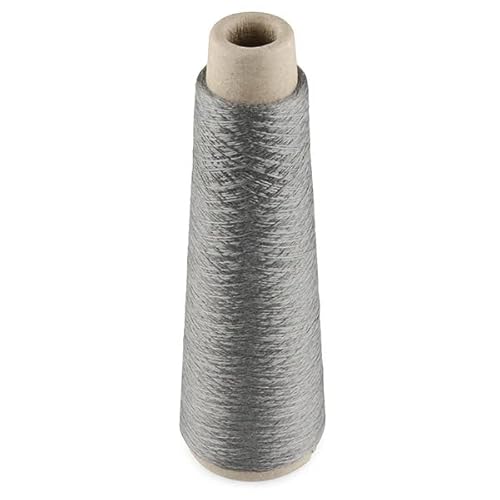 | Best Bulk Quantity | Material Composition: Stainless steel fiber | Electrical Resistance: Not specified | Total Length: 360 yards | CHECK ON AMAZON | Read Our Analysis |
More Details on Our Top Picks
Conductive Thread 65ft for Arduino Lilypad (2 Bobbins)
If you’re building e-textile projects with Arduino Lilypad, you’ll want conductive thread that won’t frustrate you with fraying or inconsistent resistance. This two-bobbin set delivers exactly that, offering 65 feet of silver fiber thread with 2 Ω/ft resistance. The exceptionally smooth silver fiber minimizes loose hairs, making hand or machine sewing cleaner and more reliable. You’ll get approximately 40 usable feet per bobbin for straightforward designs. The package includes a needle threader and needle, getting you started immediately. Whether you’re stitching circuits into shirts, backpacks, or hats, this thread’s Arduino Lilypad compatibility guarantees seamless integration with your wearable electronics projects.
- Material Composition:Silver fiber (spun)
- Electrical Resistance:60-80 Ω/m (≈2 Ω/ft)
- Total Length:130 feet / 40 meters (2 bobbins)
- Sewing Compatibility:Hand or machine sewing (bobbin thread)
- Primary Applications:Wearable electronics (shirts, backpacks, hats)
- Oxidation/Durability:Minimal loose hairs; smooth finish
- Additional Feature:Includes needle threader/needle
- Additional Feature:Exceptionally smooth silver fiber
- Additional Feature:40 feet usable per bobbin
Conductive Thread for Arduino Lilypad (4 Bobbins)
For makers diving into wearable electronics and e-textile projects, the Conductive Thread for Arduino Lilypad (4 Bobbins) delivers the smooth, reliable performance you need. Each bobbin contains approximately 35 feet of silver fiber thread with impressive 60–80 Ω/m resistance, giving you 140 feet total across four spools. You’ll appreciate the ultra-smooth texture—no loose hairs that plague inferior threads. The included needle threader and needle get you started immediately. With resistance as low as <100 Ω/m, this thread excels for hand or machine sewing circuits onto garments. Whether you're embellishing shirts, backpacks, or hats with sewn designs, you're getting professional-grade conductivity at an accessible price point.
- Material Composition:Silver fiber (spun)
- Electrical Resistance:60-80 Ω/m (≈2 Ω/ft)
- Total Length:130 feet / 40 meters (4 bobbins)
- Sewing Compatibility:Hand or machine sewing (bobbin thread)
- Primary Applications:Wearable electronics (shirts, backpacks, hats)
- Oxidation/Durability:No loose hairs; smooth finish
- Additional Feature:Ultra high conductive performance
- Additional Feature:Includes needle threader/needle
- Additional Feature:35 feet per bobbin
Adafruit Stainless Thin Conductive Thread – 2 Ply – 23 Meter/76 ft
You’ll want the Adafruit Stainless Thin Conductive Thread if you’re building wearables that can withstand regular washing. This 316L stainless steel option resists oxidation unlike silver alternatives, keeping your garments functional through countless cycles. The 2-ply construction works with medium-eye needles or heavy-thread sewing machines, giving you flexibility in your assembly approach. With a resistivity of 16 ohms per foot, it’ll safely power LEDs and components drawing under 50 mA. You get 23 meters wound on a convenient bobbin, offering plenty of material for most projects. Its thin, smooth profile makes stitching seamless while maintaining the strength you need for durable wearable electronics.
- Material Composition:316L stainless steel (2-ply)
- Electrical Resistance:16 ohms per foot
- Total Length:23 meters / 76 feet
- Sewing Compatibility:Medium-eye needles or heavy-thread sewing machine
- Primary Applications:LED driving, wearables, e-textiles
- Oxidation/Durability:Oxidation-resistant; safe to wash
- Additional Feature:316L stainless steel construction
- Additional Feature:Oxidation-resistant unlike silver
- Additional Feature:Drives LEDs under 50mA
316L Conductive Stainless Steel Sewing Thread (9m)
The 316L Conductive Stainless Steel Sewing Thread stands out as an exceptional choice for anyone building wearable electronics that demand reliable signal transmission and consistent electrical performance. With its 9 Ω/m electrical resistivity and 3-ply construction, you’ll get stable conductivity for LED integration and data lines. The thread’s excellent thermal properties let you work on high-temperature projects without performance degradation. At 9 meters, you’re getting a compact supply ideal for targeted applications. You’ll find it particularly valuable for smart clothing, anti-static brushes, and electrostatic equipment protection. Its high strength ensures durability through multiple wash cycles, making it genuinely practical for functional garments requiring long-term reliability.
- Material Composition:316L stainless steel (3-ply)
- Electrical Resistance:9 Ω/m
- Total Length:9 meters
- Sewing Compatibility:Suitable for sewing
- Primary Applications:Smart clothing, wearables, signal transmission
- Oxidation/Durability:Stable electrical resistivity; durable
- Additional Feature:Excellent thermal conductivity
- Additional Feature:Withstands high temperatures
- Additional Feature:9 Ω/m resistance
Conductive Sewing Thread for Touch Screen Gloves
Crafting responsive touch screen gloves requires a thread that won’t compromise conductivity or durability, making stainless steel fiber blends the ideal choice. This conductive sewing thread combines 24% stainless steel fiber with polyester in a 21S/2 weight, delivering high strength and lasting performance. You’ll get approximately 2500 yards per roll, offering substantial yardage for multiple projects. Beyond touch screen gloves, you can use this versatile thread for anti-static overalls, bags, and shoes—anywhere you need reliable conductivity and static protection. Its robust construction guarantees your custom garments maintain their functionality through repeated wear and washing, making it an excellent investment for serious makers.
- Material Composition:Stainless steel fiber (24%) + polyester
- Electrical Resistance:Not specified
- Total Length:2500 yards
- Sewing Compatibility:High strength thread (21S/2)
- Primary Applications:Touch screen gloves, anti-static garments
- Oxidation/Durability:Durable high strength
- Additional Feature:24% stainless steel fiber
- Additional Feature:2500 yards per roll
- Additional Feature:Anti-static applications included
316L Conductive Stainless Steel Sewing Thread (4m)
If you’re building wearable electronics or textile circuits that demand reliable conductivity and durability, 316L Conductive Stainless Steel Sewing Thread offers exceptional performance for your projects. This 2-ply thread delivers a resistance of just 4 Ω/m across its 4-meter length, making it ideal for driving LEDs and establishing stable signal transmission lines in smart clothing. You’ll appreciate its excellent thermal conductivity and ability to withstand high temperatures, which guarantees your conductive pathways remain reliable through extended use. The thread’s extremely low resistivity supports consistent electrical connections in textile circuits, while its high strength prevents breakage during sewing. Whether you’re designing touch-screen gloves or integrating electronics into wearables, this stainless steel thread provides the conductive precision your custom garments require.
- Material Composition:316L stainless steel (2-ply)
- Electrical Resistance:4 Ω/m
- Total Length:4 meters
- Sewing Compatibility:Suitable for sewing
- Primary Applications:Smart clothing, wearables, LED driving
- Oxidation/Durability:Stable electrical resistivity; durable
- Additional Feature:2-ply construction
- Additional Feature:4 Ω/m resistance
- Additional Feature:Signal transmission line capable
Electronics Starter Kit with Conductive Thread for Lilypad
For anyone seeking to blend electronics with textiles, an Electronics Starter Kit with Conductive Thread for Lilypad offers the ideal entry point into wearable technology. You’ll get everything needed to create interactive garments: LEDs, sensors, switches, and a Lilypad development board with an ATmega168 processor. The conductive thread acts as your sewing connector, enabling reliable circuit integration directly into fabric. The kit’s portable design makes experimentation accessible at home, while its specifications—14 digital I/O pins, 6 analog inputs, and 2.7V–5.5V operating range—support diverse projects. Whether you’re prototyping ambient-responsive clothing or simple illuminated designs, this kit transforms your crafting into functional electronics without requiring advanced technical knowledge.
- Material Composition:Mixed components (includes conductive thread)
- Electrical Resistance:Not specified
- Total Length:Not specified
- Sewing Compatibility:Lilypad-compatible sewing
- Primary Applications:Lilypad circuits, interactive textiles, wearables
- Oxidation/Durability:Wear-resistant accessories
- Additional Feature:ATmega168 processor included
- Additional Feature:2.7V–5.5V working voltage
- Additional Feature:Complete beginner-friendly component set
316L Conductive Stainless Steel Sewing Thread (4-Ply)
Are you building wearable electronics that demand both reliability and heat resistance? The 316L Conductive Stainless Steel Sewing Thread offers exactly that. This 4-ply construction delivers 6Ω/m resistance across its 7-meter length, making it ideal for LED integration and signal transmission in smart clothing. You’ll appreciate its exceptional thermal conductivity and ability to withstand high temperatures, ensuring your projects won’t fail under stress. The thread’s stable electrical properties make it perfect for anti-static applications and electrostatic elimination equipment. Whether you’re developing innovative wearables or industrial textile solutions, this stainless steel option provides the durability and performance your custom garments require.
- Material Composition:316L stainless steel (4-ply)
- Electrical Resistance:6 Ω/m
- Total Length:7 meters
- Sewing Compatibility:Suitable for sewing
- Primary Applications:Smart clothing, wearables, signal transmission
- Oxidation/Durability:Excellent thermal conductivity; high strength
- Additional Feature:4-ply construction
- Additional Feature:6 Ω/m resistance
- Additional Feature:High-temperature transport capable
Adafruit Stainless Medium Conductive Thread – 3 ply – 18 meter/60 ft
You’ll want Adafruit’s Stainless Medium Conductive Thread if you’re building wearables that need to withstand repeated washing and months of wear. This 3-ply stainless steel thread delivers 10 ohms per foot of resistance, making it perfect for projects driving LEDs and components under 100 mA. Unlike silver-based alternatives, stainless steel resists oxidation, ensuring your e-textile projects remain fully functional long-term. Each bobbin includes 18 meters of thread, giving you substantial length for medium-scale garment integration. The thread’s washability means your custom garments maintain conductivity through regular care, eliminating concerns about degradation from everyday use.
- Material Composition:Stainless steel fiber (3-ply)
- Electrical Resistance:10 ohms per foot
- Total Length:18 meters / 60 feet
- Sewing Compatibility:Suitable for sewing
- Primary Applications:LED driving, wearables, e-textiles
- Oxidation/Durability:Oxidation-resistant; washable; long-lasting
- Additional Feature:3-ply construction
- Additional Feature:10 ohms per foot
- Additional Feature:Drives LEDs under 100mA
Electronics Starter Kit with Conductive Thread for Lilypad
The LilyPad ecosystem stands out for hobbyists and educators who want to blend sewing with circuitry without mastering complex electronics. You’ll find everything needed to create interactive textiles—conductive thread, development boards, and specialized components engineered for seamless integration. The thread bridges your LEDs, buttons, and switches, enabling responsive systems that react to environmental changes. You can illuminate designs, build wearable projects, and upgrade components effortlessly. The compact kit requires minimal tools and delivers consistent performance across applications. Whether you’re crafting your first e-textile or designing advanced wearables, this starter kit streamlines your creative process from concept to finished garment.
- Material Composition:Mixed components (includes conductive thread)
- Electrical Resistance:Not specified
- Total Length:Not specified
- Sewing Compatibility:Lilypad-compatible sewing
- Primary Applications:Lilypad circuits, interactive textiles, wearables
- Oxidation/Durability:Wear-resistant accessories
- Additional Feature:LilyPad seamless stitching integration
- Additional Feature:Responsive environmental sensor systems
- Additional Feature:Lightweight easy-handling design
Conductive Thread – 60g (Stainless Steel)
If you’re seeking a practical, high-volume option for experimenting with wearable electronics, this 360-yard spool of stainless steel conductive thread delivers excellent value. You’ll get 60 grams of genuine stainless steel fiber—not plated silver—that you can use to connect electronics directly onto your clothing projects. The substantial length gives you ample material to practice stitching techniques without worrying about running out mid-project. This thread works well for beginners exploring e-textiles, allowing you to test designs and refine your skills before investing in premium materials. The stainless steel construction provides reliable conductivity for basic wearable applications.
- Material Composition:Stainless steel fiber
- Electrical Resistance:Not specified
- Total Length:360 yards
- Sewing Compatibility:Suitable for sewing
- Primary Applications:Clothing electronics connection
- Oxidation/Durability:Durable construction
- Additional Feature:360 yards total length
- Additional Feature:Stainless steel fiber spun
- Additional Feature:Ample practice quantity provided
Factors to Consider When Choosing Conductive Thread That Stitches ESD Properties Into Custom Garments
When you’re selecting conductive thread for your custom garments, you’ll need to evaluate several critical factors that directly impact performance and longevity. You should examine material composition and conductivity levels, resistance ratings, durability against oxidation, thread construction with appropriate ply counts, and how well the thread integrates with your chosen fabrics. Each of these elements plays a crucial role in ensuring your ESD-protective garments function reliably and maintain their conductive properties throughout their lifespan.
Material Composition and Conductivity
Selecting the right conductive thread hinges on understanding how material composition directly influences electrical performance and durability in ESD applications. You’ll find two primary options: stainless steel (316L) and silver-based fibers, each offering distinct advantages.
Stainless steel variants deliver superior oxidation resistance and washability, maintaining reliability through repeated laundering. They exhibit resistivity around 4–6 Ω/m, making them excellent for sustained ESD protection in demanding environments.
Silver-based fibers prioritize smoothness and minimal loose hairs, enhancing garment comfort and aesthetics. However, they typically show higher resistivity values (10–16 Ω/ft), potentially limiting their ESD performance.
Your choice depends on your application’s priorities: choose stainless steel for maximum durability and consistent conductivity, or silver blends when garment quality and wearability matter most.
Resistance and Electrical Performance
Because conductive thread’s electrical resistance directly determines your circuit’s voltage drop and component brightness, you’ll need to evaluate resistivity carefully when selecting materials for ESD garments. Most conductive threads range from 60–80 Ω/m, though some variants exceed 100 Ω/m. You’ll find significant variation across products—some threads specify 16 Ω/ft while others rate as low as 10 Ω/ft.
Lower resistance per meter enables brighter LEDs and minimizes voltage loss in your wearable circuits. However, stitch length matters considerably. Longer stitched paths accumulate total resistance, potentially degrading performance under LED load. When designing circuits with extended runs, you’ll want thicker or lower-resistance thread to maintain adequate current delivery and consistent brightness throughout your custom garment.
Durability and Oxidation Resistance
While electrical performance matters in the short term, your conductive thread’s resistance to oxidation determines whether your ESD garment remains functional through months of wear and repeated laundering. Stainless steel threads excel here, maintaining stable electrical resistivity under continuous use while resisting the degradation that compromises silver-based alternatives.
You’ll find that stainless steel formulations resist oxidation far better than competing materials, preserving conductivity long after purchase. Their superior wash durability means your garments withstand frequent laundering without losing ESD properties. Additionally, 2- and 3-ply stainless steel variants resist fraying and maintain mechanical strength through repeated wear, essential for active garments in high-temperature or rugged environments where thermal conductivity and strength directly impact longevity.
Thread Construction and Ply Count
Beyond material composition, the physical structure of your conductive thread determines how well it’ll perform in actual garment construction. Ply count—the number of filaments twisted together—directly impacts thickness, strength, and seam quality. You’ll find 2-ply threads work best for delicate fabrics and intricate Lilypad sewing, offering smooth stitching without bulk. However, 3-ply and 4-ply options provide superior strength for heavier garments and tougher materials, though they demand heavier needles and more robust machines.
Consider that higher ply counts create multiple conductive paths within each stitch, potentially enhancing ESD performance and lowering resistance. You’re balancing durability against workability—choosing the ply count that matches your garment weight, fabric delicacy, and electrical requirements guarantees reliable conductivity throughout your custom design.
Compatibility With Fabric Types
How do you know which conductive thread will work best with your chosen fabric? You’ll need to match thread weight and construction to your material’s durability and delicacy.
For sturdy fabrics like denim, canvas, and heavy cotton, you can confidently use stainless steel 2-ply or 3-ply threads with medium-eye needles. These thicker threads create reliable ESD paths without compromising the fabric’s integrity.
Delicate materials like silk or sheer knits demand a different approach. You’ll want finer conductive thread and smaller stitches to minimize bulk and prevent snagging that’d damage the fabric.
Lightweight textiles require particular care—thicker threads will cause fraying and unwanted bulk, disrupting drape and comfort. Selecting smooth, thinner conductive options preserves your garment’s intended feel and appearance while maintaining conductivity.
Cost Versus Length Value
When you’re budgeting for conductive thread, the cost-per-meter metric matters more than the upfront price. Longer purchases like 360-yard spools dramatically lower your per-meter expense, making them ideal for extensive garment projects. You’ll want to evaluate resistance alongside length—threads offering 60–80 Ω/m with substantial yardage deliver better value than shorter, high-resistance options. Multi-bobbin sets totaling 130 feet or more minimize reordering frequency and maximize usable run length per project segment. Conversely, extremely short runs—say 4 meters—inflate your effective cost when stitching multiple e-textile components. For garment coverage, prioritize high-length options with stable, low resistivity. This approach guarantees you’ll maximize circuit length before thread replacement becomes necessary, ultimately delivering superior value for custom wear applications.
Frequently Asked Questions
How Does Conductive Thread Compare in Cost to Other E-Textile Alternatives Like Conductive Paint?
You’ll find conductive thread typically costs more upfront than conductive paint, but it offers better durability and reusability. You’re investing in longevity when choosing thread over paint for your e-textile projects.
Can Conductive Thread Be Washed in Standard Laundry Without Losing Conductivity Over Time?
You can wash conductive thread in standard laundry, but you’ll need to take precautions. It’ll gradually lose conductivity over repeated washings. You’ll preserve better performance by using cold water, gentle cycles, and avoiding harsh detergents.
What Safety Certifications Should Conductive Thread Have for Wearable Medical or Health-Monitoring Garments?
You’ll want to verify ISO 13732-1 for thermal safety, FDA clearance if it’s a medical device, and biocompatibility testing per ISO 10993 standards. You should also confirm EMC compliance and check manufacturer documentation for specific health-monitoring applications.
How Do Different Thread Materials Affect Skin Sensitivity for Sensitive Individuals Wearing Conductive Garments?
You’ll find that silver-coated nylon threads cause fewer reactions than stainless steel variants. You’re better off choosing hypoallergenic coatings and testing patches first. You should avoid nickel-containing materials if you’ve got sensitive skin.
What Specialized Equipment or Techniques Are Needed to Properly Terminate Conductive Thread Connections?
You’ll need a soldering iron, heat-shrink tubing, and conductive adhesive to properly terminate conductive thread. You should crimp connectors carefully, seal connections with waterproof epoxy, and test continuity using a multimeter to guarantee reliable contact.